A windshield is not just a pane of glass. It is part of your car’s safety cage, a structural component that keeps the roof from collapsing, a clear field of view for your eyes and the lens for the cameras that guide modern driver assistance. In a place like High Point, where summer heat bakes dashboards and winter mornings can snap a chip into a crack before coffee is finished, paying attention to your auto glass is not optional. It is stewardship, the plain kind that keeps your vehicle safe, valuable, and pleasant to drive.
I have spent enough hours on shop floors and mobile routes to know how small decisions shape long-term outcomes. Ignore a pitting windshield, and your night vision degrades. Put off a quarter-sized chip, and a temperature swing turns it into a foot-long crack you cannot wish away. Choose an installer who cuts corners, and the bond line that should save your life might peel back in a worst-case collision. The difference between “good enough” and “done right” is not cosmetic. It is measured in millimeters, torque values, primer flash times, and urethane cure windows.
Why auto glass matters more than most people think
Every collision reconstruction I have ever read tells the same story about glass. Laminated windshield construction is designed to keep occupants inside the vehicle during a crash and to work with airbags. When the passenger airbag deploys, it often uses the windshield as a backstop. If the windshield was installed with bargain urethane or contaminated surfaces, it can delaminate under load. At highway speeds, that is not a hypothetical risk. It is also why high point auto glass professionals harp on adhesive brands, lot codes, and cure times. That attention to detail protects you, not just the vehicle’s resale.
The other reason is visibility. A windshield riddled with micro pitting from years of interstate miles can scatter light at night, creating halos and strain. It is subtle, and drivers adapt without realizing they are compensating. Then, after a fresh OEM-equivalent windshield goes in, the first night drive feels calmer. That change alone can justify timely windshield replacement high point drivers sometimes delay.
The anatomy of a proper repair or replacement
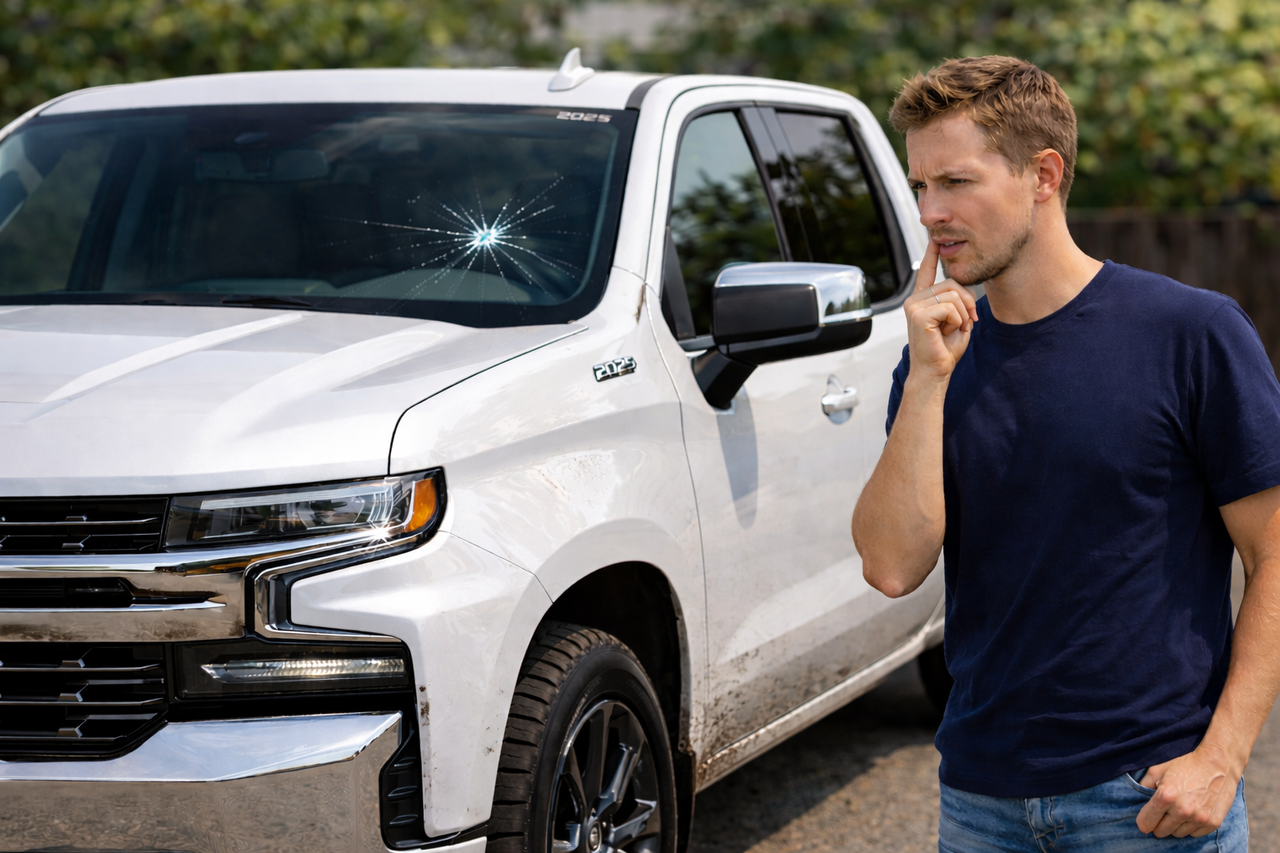
When I talk about auto glass repair high point services, most people picture resin injected into a chip. That is part of it, but the context matters. Not every chip is a candidate for windshield repair high point shops will stand behind. Star breaks with long legs near the edge, cracks that intercept both layers of the laminate, or damage directly in the camera’s field of view often push the decision toward replacement. A competent technician will use a gauge, a mirror, and good light to assess. They should explain what clarity to expect after a repair. A properly filled bullseye might be 80 to 95 percent optically improved, but the scar never fully vanishes. That is normal, and it is better than letting a crack run.
Replacement is a different animal. Here is what separates a solid job from a risky one: glass quality, prep discipline, and the adhesive system. Glass comes in OEM, OEM-equivalent, and value aftermarket tiers. The best aftermarket suppliers meet OE specs for curvature, thickness, and acoustic interlayer, but cheap panels can wave and distort at the edges, and the frit band might misalign with rain sensors. I have rejected mismatched panels that would have created a rattle or wind noise the customer would hear forever. If your vehicle has a heads-up display, heated wiper park, or acoustic lamination, insist the replacement matches those features. You would be surprised how often a low bid quietly deletes the acoustic layer to save a few dollars.
Prep discipline looks boring and smells like alcohol and primers. It is critical. The old urethane bead should be trimmed to a consistent thin layer, known as the full-cut method, leaving a sound substrate for the new bead to bond to. Bare metal must be treated with pinchweld primer, and any scratches need corrosion protection. Skipping this work invites future rust, which can eat a windshield frame from the inside out. On rainy days, I have set up tents or used van awnings because urethane does not like water during its cure. A shop that pays attention to humidity and temperature is not being fussy. They are protecting the bond.
The adhesive system ties it together. There are fast-cure urethanes with safe-drive-away times as low as 30 minutes under ideal conditions, and there are standard cures that need several hours. “Safe drive away” is not a marketing phrase, it is the point where the adhesive achieves enough strength to withstand an airbag deployment. If you need same day auto glass high point service, ask about the specific urethane used and the realistic drive-away window given the day’s weather. If it is 40 degrees and damp, even a fast-cure product may need more time.
Mobile versus in-shop work
Mobile auto glass high point service has become the default for many people, and it can be excellent when handled by experienced techs with the right gear. I have done replacements in office parks, on quiet residential streets, and in driveways with a folding canopy. The convenience is real, especially for car window repair high point jobs like small vent windows or sliders. But there are moments when a shop bay beats a driveway. Windshield replacement high point vehicles that require static camera calibration often pair well with an in-shop setup, where targets are positioned in controlled lighting and floor space. Heavy rain or dusty construction zones make mobile work risky. A pro will defer rather than compromise.
Calibration deserves a close look. Many vehicles built in the last five to seven years rely on forward-facing cameras for lane keeping, automatic emergency braking, and adaptive cruise. After a windshield replacement, those cameras must see correctly through the new glass. There are static calibrations that use targets and dynamic calibrations that require a drive at specified speeds on well-marked roads. Some vehicles need both. A shop that shrugs off calibration is gambling with your safety features. In North Carolina, I have driven calibration routes that had to avoid fresh chip seal and unpainted lanes because the system would never complete the routine otherwise. Working with a provider who understands local roads makes the process smoother.
When a chip can wait and when it cannot
At the risk of oversimplifying, I use a few rules of thumb. A rock chip smaller than a quarter, away from the edge, and not in the driver’s primary line of sight is a good candidate for repair. A crack longer than three inches tends to grow, especially with temperature swings. Edge cracks are unstable. Damage in the shaded sensor area behind the mirror can interfere with the camera. If the vehicle is due for a long interstate drive or a cold snap is coming, I push for immediate action. Rapid temperature changes, like blasting the defroster on a frosty windshield, pull cracks like taffy.
There is also an insurance angle. Many comprehensive policies cover chip repair with no deductible because it costs the carrier far less than a replacement. I have seen customers hold out for months to avoid a claim, only to pay out of pocket when a simple repair would have been covered. A quick call to the insurer often answers this. If you need emergency auto glass high point help outside business hours because a side window was smashed, take photos, file the police report if applicable, and ask the shop to document the break for your claim.
Side and rear glass: different materials, different risks
Windshields are laminated. Side and rear glass on most vehicles are tempered. Tempered shatters into pellets when broken, which means a theft or a lawnmower tossing a rock can leave you with a lap full of cubes and an open cabin. Car window replacement high point jobs have their own variables. Body style matters. Frameless door glass, like on some coupes, is finicky to align. Power regulators can bind if the glass runs are bent during the break. Older vehicles with brittle clips can turn a one-hour job into three. The best techs carry extra clips and use trim tools that do not scar door panels.
Rear windows often include defroster grids and, on SUVs, antenna elements. When replacing those, test the grid before glass removal if possible. After installation, a simple voltmeter pass confirms continuity. Skip that check, and you might discover the defroster does not work on the coldest morning of the year. For hatchbacks with integrated spoilers, expect a longer appointment due to trim disassembly. Cheap parts are especially noticeable here. I have seen aftermarket back glass with blurry silk-screened frits that look wrong from twenty feet away. If you care about resale, choose quality.
The High Point climate factor
Piedmont summers are hot and humid, with asphalt temps that can cook an egg. Winters are not brutal, but radiative cooling on clear nights drops glass temperatures fast. Both conditions stress auto glass. Heat expands the outer surface while the cabin air lags behind, Side window replacement High Point creating stress differentials. Cold mornings followed by a hot defroster do the opposite. Potholes, speed bumps, and the angular joints on older bridges add flex. A chip that feels stable on a cool spring day can run on a July afternoon. Plan repairs accordingly. If a long road trip is on your calendar, handle the glass work the week prior rather than gambling.
OEM, OEE, and the cost conversation
People ask whether they must have OEM glass. My answer is: it depends. For vehicles with complex HUDs, acoustic packages, or finicky camera systems, I lean OEM or a top-tier OEE that the camera manufacturers approve. For mainstream sedans without optical overlays, a reputable OEE panel can be indistinguishable in practice. Price differences range from modest to startling. On a late-model SUV, OEM might add 200 to 600 dollars compared to OEE. Insurance often steers toward OEE unless state law or policy terms specify OEM. If you pay out of pocket, ask the shop to quote both and explain the differences that matter for your vehicle.
Adhesives and primers are not the place to economize. A tube of high-performance urethane costs more but cures faster and stronger. The extra 20 to 40 dollars here is pure safety margin. When evaluating bids for auto glass replacement high point services, look beyond the headline price. Ask about glass brand, adhesive, calibration handling, and warranty terms. A lifetime workmanship warranty is common and valuable. It covers leaks, wind noise due to installation error, and stress cracks from improper prep.
Practical scheduling and what to expect on the day
For mobile or in-shop appointments, a little preparation helps. Clear the dashboard, including any dashcam adhesive mounts if they sit near the mirror. Remove toll transponders. If your vehicle’s cowl drains are full of leaves, a shop might clean them while the cowl is off, but do not assume. Park on level ground with space for doors to open fully. If rain threatens and you do not have a carport, consider rescheduling or moving to the shop. For same day auto glass high point requests, morning calls do better than late afternoon. Glass availability matters. A shop that stocks common windshields can respond quickly, but obscure trims sometimes need a day for delivery.
On the day, the tech will inspect for existing body or trim damage and note it. This is not suspicion, it is documentation that protects both sides. Expect 45 to 90 minutes for a typical windshield replacement, plus the safe drive-away window. Complex trims, ADAS calibrations, or stubborn rust can extend that. If a calibration is required, you might spend another hour or two either on the road for a dynamic run or in the bay for static targeting. If the car window repair high point job is a simple chip fill, plan for 30 to 45 minutes, then keep the tape tab off the impact point for the rest of the day.
Keeping your new glass clear and intact
The first 24 hours matter. Avoid slamming doors hard, which can spike cabin pressure and potentially disturb a fresh bond line. Skip the high-pressure car wash for a couple of days. Leave the blue painter’s tape on if the tech asks, even if it looks funny. It helps keep the molding seated as the urethane cures. If suction cups leave faint marks, a gentle glass cleaner and microfiber towel will clear them. Do not scrape with a razor blade near the frit or on coated glass like HUD areas.
Longer term, replace wiper blades every six to nine months in our climate. Dry blades create chatter and scuff the hydrophobic topcoat that many premium windshields carry. Clean the inside of the windshield monthly. Off-gassing from plastics leaves a film that amplifies glare. If you park outside, a quality windshield sunshade cuts cabin heat and prolongs the life of dashboards and the PVB interlayer in laminated glass.
How to choose a shop you can trust
The best indicator is how they answer questions. Do they volunteer details about the adhesive and the safe-drive-away time without prompting? Can they speak to your vehicle’s specific sensors and whether calibration is needed? Are they comfortable explaining OEM versus OEE for your trim? I pay attention to their handling of edge cases. If you ask for mobile service during a thunderstorm and they recommend an in-shop visit instead, that is a good sign. It means they will not compromise your repair to meet a schedule.
Look for technicians with certifications from groups like the Auto Glass Safety Council and for shops that invest in calibration equipment or partner with reputable calibration centers. Good reviews help, but read the substance. Praise about communication and fixing issues under warranty means more than generic five-star ratings.
When speed matters: break-ins, road trips, and inspections
Life does not schedule glass damage at convenient times. If a side window gets smashed on a Friday, emergency auto glass high point responders can at least secure the car the same day. Taping a plastic bag is a last resort. A shop can cut a temporary polycarbonate panel that seals better and does not flap on the highway. For travelers, mobile teams can meet you at a hotel and get you back on the road. I have dealt with families leaving for the beach on Saturday morning who discovered a cracked windshield late Friday. With the right stock on hand and fast-cure urethane, we got them rolling by noon.
North Carolina vehicle inspections do not have a specific windshield regulation that mandates perfect glass statewide, but inspectors can fail a car if cracks or damage obstruct the driver’s view or safety systems. If your inspection date looms and you have a growing crack, handle it before you line up. It saves you a repeat visit.
A brief, no-nonsense checklist for drivers in High Point
- Repair chips promptly if they are smaller than a quarter and away from the edge, especially before temperature swings or long trips. For replacements, ask about glass brand, adhesive type, calibration plan, and safe-drive-away time, then get those answers in writing on the work order. Match features. If your original glass had acoustic lamination, HUD, heating, or sensors, insist the new panel includes them. Use mobile service when conditions allow and the job is straightforward. Choose in-shop for heavy rain, dusty environments, or when static calibration is required. After installation, treat the vehicle gently for 24 to 48 hours, avoid pressure washes, and replace wiper blades regularly to protect the new glass.
Cost, warranty, and insurance realities
A basic chip repair often runs 80 to 150 dollars, sometimes less through insurance with zero out-of-pocket. A common sedan windshield replacement with OEE glass might land between 300 and 500 dollars, while a feature-rich SUV or luxury car can climb into the 700 to 1,500 range, particularly with HUD or heated interlayers. Side windows tend to be 200 to 400 dollars, depending on tint, shape, and regulator complexity. Back glass sits across a wide range, from 300 to 900 dollars, because defrost grids and antennas add cost and labor.
Warranty terms matter more than a slightly lower price. A lifetime workmanship warranty from a local auto glass repair high point provider means they will address wind noise or leaks that show up after the first rain. Read the fine print. Warranties typically do not cover new rock chips or cracks from impacts, which is fair, but they should cover stress cracks that originate at the edge due to improper prep.
Insurance claim handling can be smooth if the shop has electronic links to major carriers. You still control where the car goes. Steering is illegal in many contexts, but you will hear suggestions. Take them as options, not mandates. If your policy allows OEM glass with a rider, mention it before the glass is ordered. Special-order glass may take a day or two, so build in time if you are particular about brand.
Subtle signs it is time to act
A windshield does not need a dramatic crack to be due for attention. If night driving feels harsher than it used to, check for pitting by facing the sun and looking at the surface with polarized sunglasses. Thousands of specks will sparkle if the outer layer is sandblasted. Wiper chatter lines and a hazy arc at eye level are also giveaways. Inside, a sticky film that returns quickly after cleaning might point to off-gassing and poor ventilation, which does not ruin glass, but it does make glare worse. If your rain sensor behaves erratically after a small repair, the gel pad may have shifted, or the sensor needs reseating. Small annoyances grow into safety issues if ignored.
Local realities and timing the work
High Point’s roadwork cycles mean detours and construction debris. After any highway segment behind gravel trucks or on fresh chip seal, give your windshield a quick inspection. Address new chips early in the week to beat weekend backlogs. Around early spring, when pollen coats everything, clean the cowl area so water drains freely. Trapped moisture by the pinch weld is the enemy of long-term corrosion resistance. If a body shop recently did paintwork near the windshield frame, coordinate glass replacement with them. Clearing paint cure windows is prudent before cutting a glass out of fresh paint.
Bringing it all together
Protecting your vehicle’s glass in High Point is about timing, choices, and working with people who respect the craft. If a chip appears, decide quickly whether it is a repair or a replace scenario. When replacing, choose the right glass and an adhesive system fit for the day’s weather, then follow cure guidance. Use mobile service when it makes sense, and do not hesitate to head to the shop when calibration or conditions demand it. Pay attention to features like HUD and acoustic layers so you do not downgrade the car you paid for. Favor shops that discuss calibration and safe-drive-away times like they are teaching a class, because that is how they think: precise, methodical, accountable.
High point auto glass work done well vanishes into your daily life. The car feels quiet and tight, the dash cam sees clearly, the driver assistance systems read the road as designed, and you forget the glass is there. That is the goal. Whether you need same day auto glass high point help after a gravel strike, routine car window repair high point for a chip, or full auto glass replacement high point with ADAS calibration, a little knowledge as a customer goes a long way. Ask the right questions, value materials and technique over the last twenty dollars, and give the adhesive the time it needs. Your investment will pay you back every mile you drive.